
Fresh flowers make any room brighter. But, they don’t last long without care. Wilting flowers can be sad, especially if they’re beautiful.
Don’t worry, there are ways to save your flowers. Floral care tips can help them stay fresh longer. Learning how to harvest, care for, and preserve flowers is key.
Knowing why flowers wilt and how to fix it helps. You can enjoy your flowers longer. This article will show you how to revive wilted flowers at home.
Key Takeaways
- Proper harvesting techniques can help extend the life of your flowers.
- Regular watering and trimming can prevent wilting.
- Using flower food can help preserve the freshness of your bouquet.
- Avoiding extreme temperatures can help maintain flower health.
- Monitoring flower condition regularly can help identify issues early.
The Science of Flower Wilting
Knowing why flowers wilt is important to fix wilted bouquets. Flowers wilt when they lose turgor pressure. This is when their cells are full of water and stiff.
Cellular Processes Behind Wilting
Wilting happens when flowers lose water and get damaged. They need water to stay strong and work right. Without enough water, their cells dry out and they wilt.
Environmental Factors That Accelerate Wilting
Things around us can make flowers wilt faster. Hot weather, direct sunlight, and dry air all help flowers lose water fast. For example, flowers near heaters or in direct sunlight wilt quickly.
Knowing these things helps us give better floral care tips and fix wilted bouquets.
Essential Tools and Materials for Flower Revival
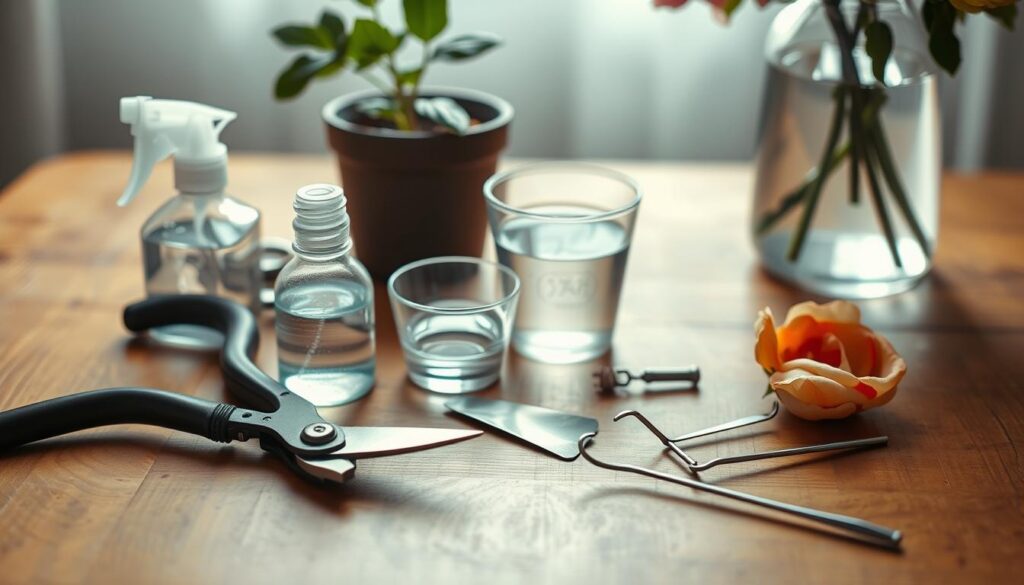
To save wilting flowers, you need the right tools and supplies. A flower first-aid kit is very helpful. It keeps your flowers looking good longer.
Basic Equipment for Your Flower First-Aid Kit
A sharp knife or pruning shears are key. They help cut stems at an angle for better water. You also need a clean vase to hold the flowers.
Having flower food or a homemade mix is important. It gives your flowers the nutrients they need.
Specialized Solutions and Their Purposes
Special solutions like sugar, vinegar, or flower foods help your flowers. Sugar gives them energy. Vinegar stops bacteria from growing.
Knowing what each solution does helps you pick the best one. This way, your flower first-aid kit works well. It saves wilting flowers and keeps them fresh.
Quick Assessment: Can Your Flowers Be Saved?
Before you try to fix wilted flowers, check if they can be saved. This first check helps you know the best way to fix them or if they’re too far gone.
Visual Indicators of Salvageable Blooms
Look for signs that your wilted flowers might still be good. Freshness around the stem base and slightly droopy petals are good signs. If the petals still bend a bit and aren’t too dry or mushy, they might come back.
Check the color too. If it’s still bright, even a bit faded, they might be okay.
Signs That Flowers Are Beyond Revival
But, some signs mean the flowers can’t be saved. Extensive mold or mildew on stems or petals means they’re too far gone. Also, if stems break easily or petals are dry and falling apart, it’s too late.
In these cases, it’s better to prevent wilting in the future than try to fix the current flowers.
The Basic Water Revival Method
One simple way to bring wilted flowers back to life is by soaking them in water. This method is easy and works well to make flowers look fresh again.
Step-by-Step Water Immersion Technique
To revive wilted flowers, start by filling a big container with warm water. Make sure the water is deep enough to cover the stems but not the flowers. Cut the stems at an angle before putting them in water to help them drink better.
- Remove any leaves that will be below the waterline to prevent bacterial growth.
- Place the stems in the water, ensuring they are fully submerged.
- Leave the flowers in the water for at least 30 minutes to several hours.
After soaking, take the flowers out and put them in a clean vase with fresh water. Watch them closely to see if they start to look better.
Optimal Water Temperature for Different Flower Types
The water temperature can affect how well flowers revive. Different flowers do best in different temperatures.
| Flower Type | Optimal Water Temperature |
|---|---|
| Roses and Carnations | Cool to lukewarm water (around 100°F to 110°F) |
| Tulips and Daffodils | Cold water (around 40°F to 50°F) |
Choosing the right water temperature can really help revive wilted flowers. Try different temperatures to see what works best for your flowers.
Strategic Cutting Techniques for Reviving Wilted Flowers
Using the right cutting techniques can really help revive wilted flowers. Cutting the stems is a key step. It helps the flower drink water and nutrients again. This is very important for saving a wilted bouquet.
Proper Stem Cutting Procedures
To cut stems well, use a sharp, clean tool. This prevents hurting the stem. Cut at a 45-degree angle to help the flower drink more water.
Also, take off leaves that will get wet. This stops bad bacteria from growing. Trimming stems often keeps flowers healthy.
Specialized Cuts for Different Flower Varieties
Some flowers need special cuts. For example, delphiniums have hollow stems. Cut them and fill with water to help them drink better.
Other flowers might need a “scoring” cut. This is a small cut up the stem to help with water intake. Knowing what each flower needs is key to keeping them fresh longer.
Sugar Solutions: Nature’s Flower Energizer
Sugar solutions are a secret floral care tip for bringing back wilted flowers. They give flowers the nutrients they need to look alive again. Sugar acts like food for flowers, giving them energy.
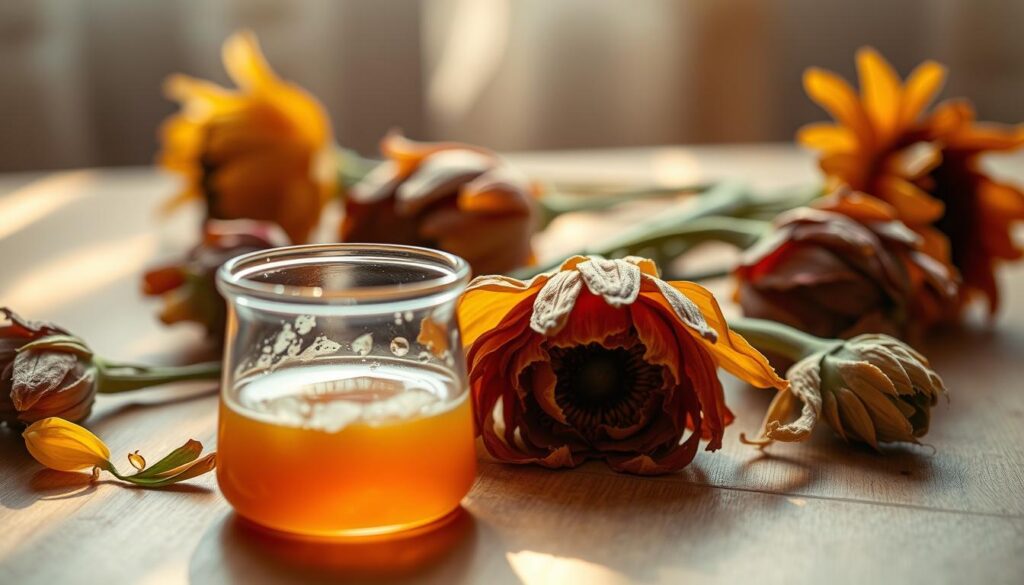
Using sugar solutions right can really help. The trick is to mix sugar and water just right.
Perfect Sugar-to-Water Ratios
It’s important to mix sugar and water correctly. A good mix is 1-2 tablespoons of sugar per quart of water. This mix gives flowers enough energy without hurting them. You might need to adjust the mix for different types of flowers.
Application Methods and Timing
How and when you use the sugar solution matters a lot. To use it, put wilted flowers in a vase with the solution. Make sure the stems are covered. For best results, change the solution every few days to keep it clean. Cutting the stems before using the solution helps them soak up more.
By following these tips and using sugar solutions, you can make wilted flowers look new again. This care can help your flowers stay healthy and beautiful longer.
Vinegar and Citrus Methods for Reviving Wilted Flowers
Vinegar and citrus are great for fixing wilted flowers. They change the water’s pH and stop bacteria. They also give flowers the nutrients they need.
Apple Cider Vinegar Solutions
Apple cider vinegar is good for flowers because it’s acidic. It stops bacteria from growing. Mix 1-2 tablespoons of it with a quart of water.
Benefits of Apple Cider Vinegar: It kills bacteria and makes water better for flowers to drink.
Lemon Juice and Citrus Techniques
Lemon juice is another way to fix wilted flowers. It’s acidic like apple cider vinegar. Mix a few drops with water.
Tips for Using Lemon Juice: Start with 1 teaspoon per quart of water. Adjust as needed. It’s good for flowers that don’t like strong smells.
Apple cider vinegar and lemon juice are easy ways to fix wilted flowers. Adding them to the water can really help.
Advanced Techniques for Reviving Wilted Flowers
There are special ways to make wilted flowers look new again. Basic care works for many flowers. But sometimes, we need more to make them fresh.
The Boiling Water Shock Method
This method uses boiling water to help wilted flowers. It clears blockages and helps them drink water again.
Which Flowers Respond Best
Roses and carnations work well with this method. They have blocked water paths. Boiling water fixes this.
Step-by-Step Application
First, boil water in a big pot. Then, pour it over the wilted flowers’ stems. Make sure to cover the whole stem. Let it cool before putting it in fresh water.
The Refrigeration Technique
This method cools flowers to slow them down. It’s great for flowers that don’t like heat.
Temperature and Timing Guidelines
Keep flowers cool, between 35°F to 45°F (2°C to 7°C). 2 to 4 hours is usually enough. Watch the flowers and adjust time as needed.
Post-Refrigeration Care
After cooling, let flowers get used to room temperature slowly. Put them in a shaded spot for a few hours. Then, put them in fresh water.
Using these advanced methods can really help revive wilted flowers. It makes them last longer too.
Flower-Specific Revival Strategies
To bring back wilted flowers, we need special care for each type. Every flower is different. Knowing this can really help save your bouquets.
Reviving Roses and Carnations
Roses and carnations are favorites for many. They need special care to come back. For roses, cut the stem at an angle and soak in warm water with preservative.
Carnations do well with the same method. But add a teaspoon of sugar to the water to keep them fresh longer.
- Cut stems at an angle to increase water uptake.
- Use warm water to help the flowers absorb better.
- Add floral preservatives or a homemade mixture of sugar and vinegar.
Bringing Tulips and Daffodils Back to Life
Tulips and daffodils are bright and beautiful. To revive them, cut the stems and change the water every day. Daffodils do best in a cool, shaded spot after cutting.
- Trim the stems every few days.
- Keep tulips away from direct sunlight.
- Place daffodils in a cool area to prolong their freshness.
Rescuing Lilies and Orchids
Lilies and orchids are elegant. They need careful handling. For lilies, remove the anthers to avoid stains. Use a preservative to make them last longer.
Orchids like misting and stem trimming. This keeps them looking good.
- Remove anthers from lilies to prevent staining.
- Mist orchids regularly to maintain humidity.
- Use floral preservatives for both lilies and orchids.
Salvaging Hydrangeas and Peonies
Hydrangeas and peonies have big, beautiful flowers. Cut their stems and soak in water with preservative. For hydrangeas, cutting the stems underwater helps.
For both, fresh water and a clean vase are key. This makes a big difference in their revival.
Commercial Flower Preservatives: Professional Solutions
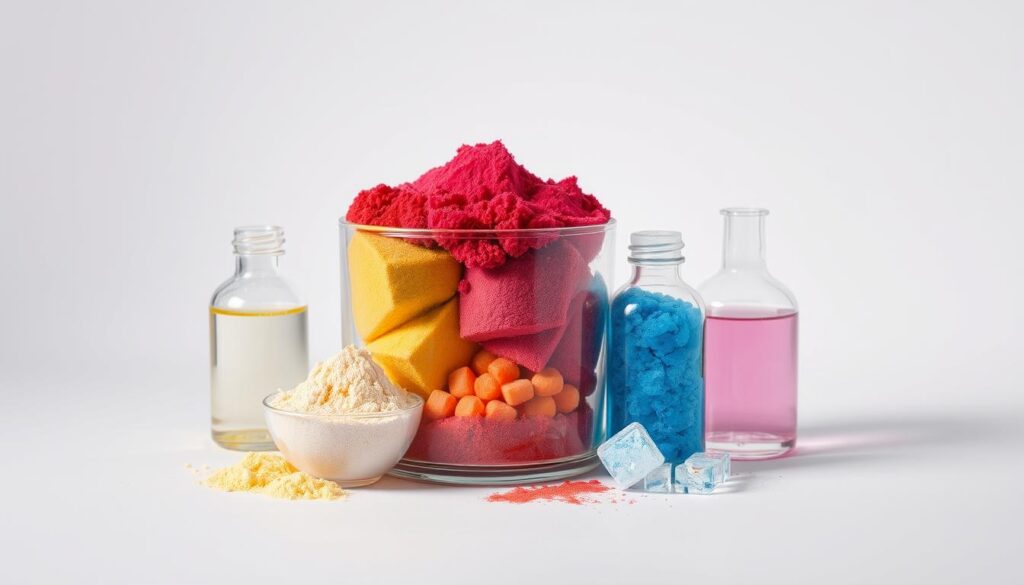
Looking for ways to make wilted flowers look new again? Commercial flower preservatives are a great choice. They are made to keep cut flowers alive longer. They give flowers the nutrients they need and stop bacteria from growing.
Types of Commercial Flower Foods
Commercial flower foods have sugars, acidifiers, and bactericides in them. These help feed the flowers and keep the water’s pH right. They also stop bacteria from growing. Brands offer special mixes for different flowers, making it easy to pick the right one.
DIY Alternatives That Match Commercial Effectiveness
Want to try something yourself? DIY flower care can work just as well as store-bought stuff. Mix sugar, lemon juice, and bleach in water. Sugar feeds the flowers, lemon juice makes the water acidic, and bleach kills bacteria.
Learning about commercial flower preservatives and DIY options helps you care for your flowers better. You can keep them looking fresh for a long time.
Common Mistakes When Reviving Wilted Flowers
Wilted flowers can be saved with the right steps. But, some mistakes can stop them from getting better. Knowing these errors is key to saving flowers.
Overwatering and Underwatering Issues
One big mistake is getting the water wrong. Too much water can rot the roots. Not enough water can starve the flowers. Finding the right amount is important for each flower type.
| Flower Type | Watering Needs |
|---|---|
| Roses | Moderate watering |
| Tulips | Frequent watering |
| Lilies | Less frequent watering |
Temperature and Light Exposure Errors
Temperature and light are very important. Most flowers like it not too hot or cold. They also prefer soft, indirect light. Too much heat or direct sun can make them wilt.
Optimal Conditions: Most flowers do best in temperatures between 65°F to 75°F (18°C to 24°C). They also like indirect sunlight.
Chemical Mixture Miscalculations
Chemicals like flower preservatives can help. But, using them wrong can hurt the flowers. Always follow the instructions and adjust for the flower type.
For example, too much sugar in a homemade preservative can attract bad bacteria. Precision is key when mixing chemicals.
By avoiding these mistakes, you can save wilted flowers and make them last longer.
Preventative Measures for Longer-Lasting Blooms
To enjoy flowers for a long time, you need to know how to care for them. By taking care of your flowers every day, you can make them last longer.
Daily Maintenance Routines
Keeping flowers fresh is key. Check the water level every day and add more if needed. This stops the stems from drying out.
Trimming the stems a few times a week helps them drink water better. Removing wilted or dead flowers stops bacteria and fungi. This keeps other flowers from dying early.
- Check water levels daily
- Trim stems every 2-3 days
- Remove dead or wilted flowers promptly
Environmental Optimization Strategies
Keeping flowers in the right place helps them last longer. Place them in a cool spot with good air flow. Avoid placing flowers near heating vents, radiators, or drafty windows to prevent quick wilting.
Also, don’t put flowers near fruit that’s getting ripe. Fruit gives off gas that makes flowers age faster.
- Keep flowers away from direct sunlight and heat sources
- Maintain a cool, well-ventilated environment
- Avoid proximity to ripening fruit
By following these tips, you can make your flowers last longer. This means you won’t have to revive wilted ones as often.
Seasonal Approaches to Reviving Wilted Flowers
Reviving wilted flowers needs a special plan for each season. Every season has its own challenges and chances to save flowers.
Summer Heat Challenges and Solutions
Summer’s hot air and dryness can wilt flowers fast. To fight this, use cool water and add ice cubes to the vase. Also, trimming the stems at an angle helps flowers drink more water.
- Use floral preservatives to make flowers last longer.
- Keep flowers out of direct sunlight and heat vents.
- Change the water often to stop bacteria from growing.
Winter Dry Air Remedies
In winter, dry air makes flowers dry out fast. To save wilted flowers, try a humidifier or a vase on a water tray with pebbles. Also, mist the flowers with water every day.
Spring and Fall Specific Techniques
In spring and fall, flowers are usually stronger. But, still check the water level often. For flowers that wilt easily, use a flower food packet for extra nutrients.
By changing your flower-saving methods with the seasons, you can make wilted bouquets last longer. Whether it’s changing water temperature or adding humidity, being creative helps keep flowers looking great.
Conclusion: Mastering the Art of Flower Revival
Learning to revive wilted flowers is a great skill. It makes bouquets and arrangements last longer. By knowing why flowers wilt and how to fix it, you can keep your flowers alive longer.
There are many ways to bring wilted flowers back to life. You can try the basic water method or the boiling water shock method. Adding floral care tips, like cutting stems right and using sugar, also helps.
With these methods and tips, you can get good at reviving wilted flowers. Practice and patience are key. Soon, you’ll be able to keep your flowers looking fresh and beautiful for a long time.